The market of global fibre optic market was worth USD 8.22 billion in 2024 and is expected to more than double by 2032. This growth shows how significant fibre optics has become for telecommunication, data centers, and connectivity worldwide. As the network increases, so does the demand to manage a massive number of cables.
A badly organised network can cause downtime, higher maintenance costs, and ineffectiveness. To prevent these issues, ODF (Optical Distribution Frame) provides a structured way to organise, protect, and manage cables, ensuring networks remain reliable and scalable.
In this article, we will discuss what makes ODF essential for cable management. Let’s get into it.
What is ODF?
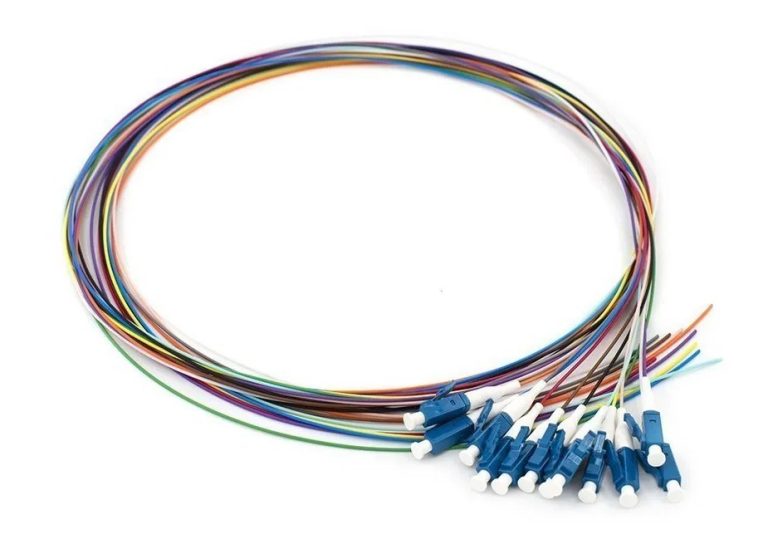
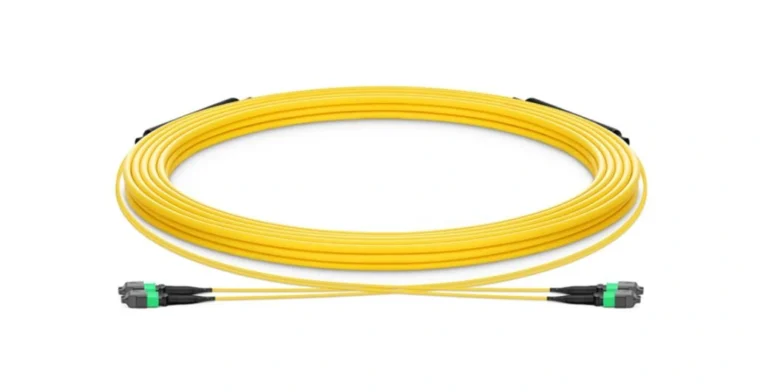
ODF, also known as optical fibre frame, is an amazing device in the telecommunications and data centre ecosystem. The ODF includes splicing, patching, and termination ports or panels, which allow for the interconnection and servicing of fiber optic cables. It is a compact framework with a steel shell and an internal fibre splice tray as primary components.
It holds, organises, and manages fibre optic cables. Instead of leaving cables exposed and tangled, an ODF places them in a secure and clearly arranged system. It maintains the fibre network, diminishes signal attenuation, and troubleshoots issues.

Why Cable Management Matters
When cables are left tangled and unorganized, networks can slow down, maintenance takes longer, and problems become harder to fix. With proper cable management, it’s much easier to spot issues, equipment lasts longer, and the whole network runs more smoothly and efficiently.
Why ODF is Essential for Cable Management
ODF addresses these challenges by offering:
- Structured organization
Each fiber has a designated path, reducing confusion and clutter.
- Safe termination
Fibers are properly terminated to avoid stress or breakage.
- Easy access
Clear labeling and layout make it simpler to test, repair, or replace connections.
- Room for growth
Modular designs allow new connections to be added without disturbing existing ones.
This combination of order, protection, and flexibility makes ODF indispensable for networks of all sizes.
Types of ODF
There are three types of ODF. Each setup requires a different ODF design. You can choose the right type depending on your available space, the size of the network, and future growth plans.
- Rack-mounted ODF
It is common in data centers and large telecom facilities, where equipment is installed in racks.
- Wall-mounted ODF
It is a compact, space-saving unit often used in offices or smaller network rooms.
- Modular ODF
It is a flexible system that allows expansion as the networks scale.
Applications of ODF in Networks
- It is widely used in telecommunication networks to route and manage fiber lines for smooth communication.
- In data centers, it helps organize high-density cabling that connects servers and storage systems.
- Many enterprises rely on ODFs to keep their office IT networks efficient and scalable.
- It plays a key role in FTTH (Fiber to the Home) projects by distributing stable connections to end users.
- Cable TV systems also use ODFs to ensure consistent and uninterrupted signal distribution.
- In military and defense, ODF supports secure and well-structured communication networks.
- Industrial setups use it to manage fiber connections in factories, automation lines, and control systems.
Choosing the Right ODF Solution
Not every ODF is built the same. When selecting one, consider factors such as cable capacity, durability of materials, and ease of installation. Investing in a high-quality frame ensures that the system remains efficient even as demand grows.
For reliable options, browse OMC’s ODF products. Their range includes rack-mounted and wall-mounted solutions designed for professional cable management.
Conclusion
ODF keeps cables neat, simplifies troubleshooting, and protects the network from damage. Now you can see how important it is for smooth operations, reduced downtime, and future growth, making it essential for any fiber optic setup.