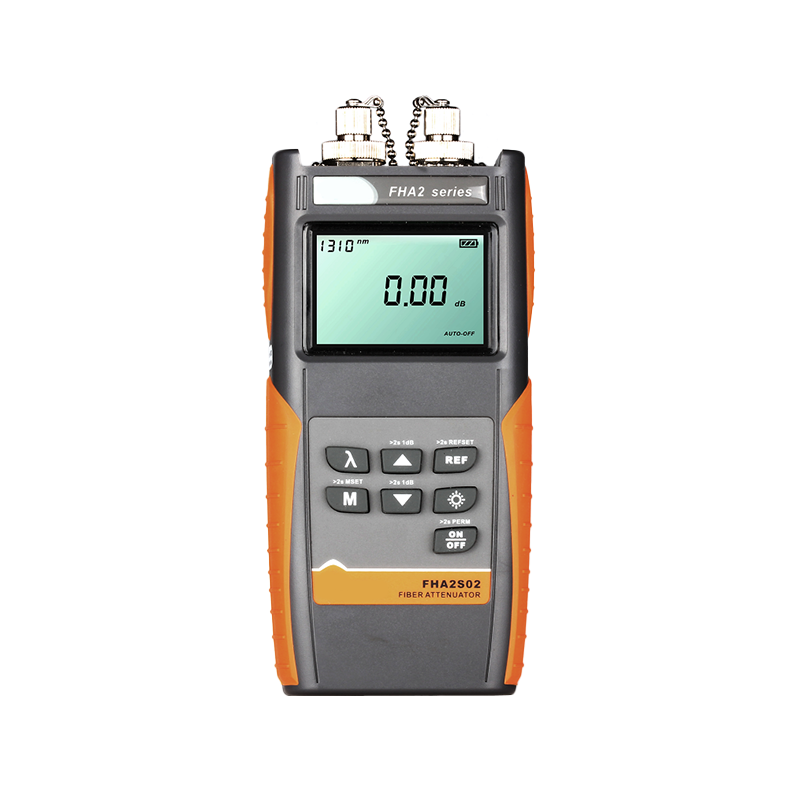
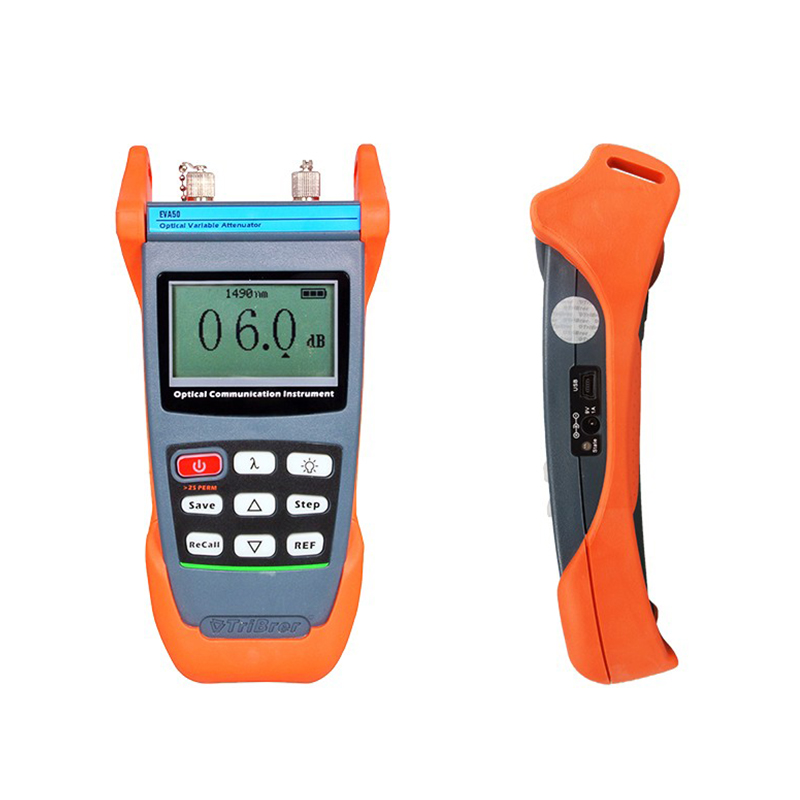
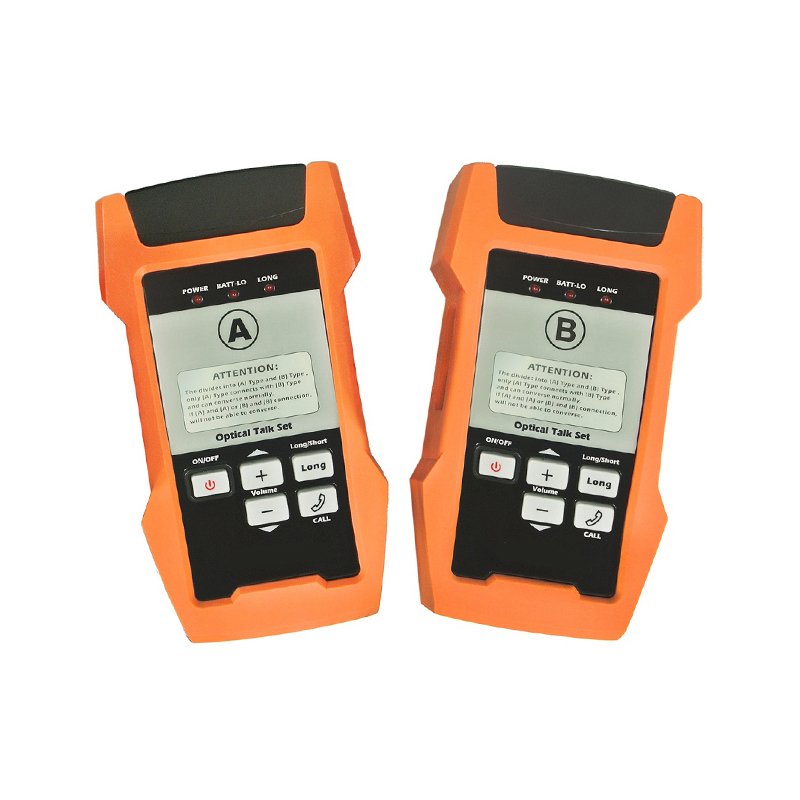
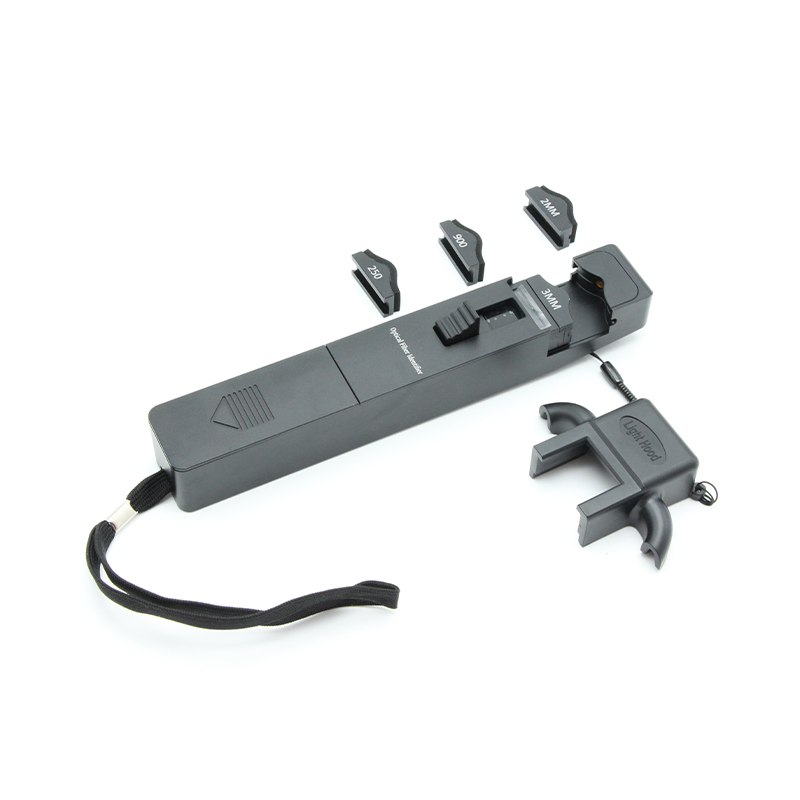
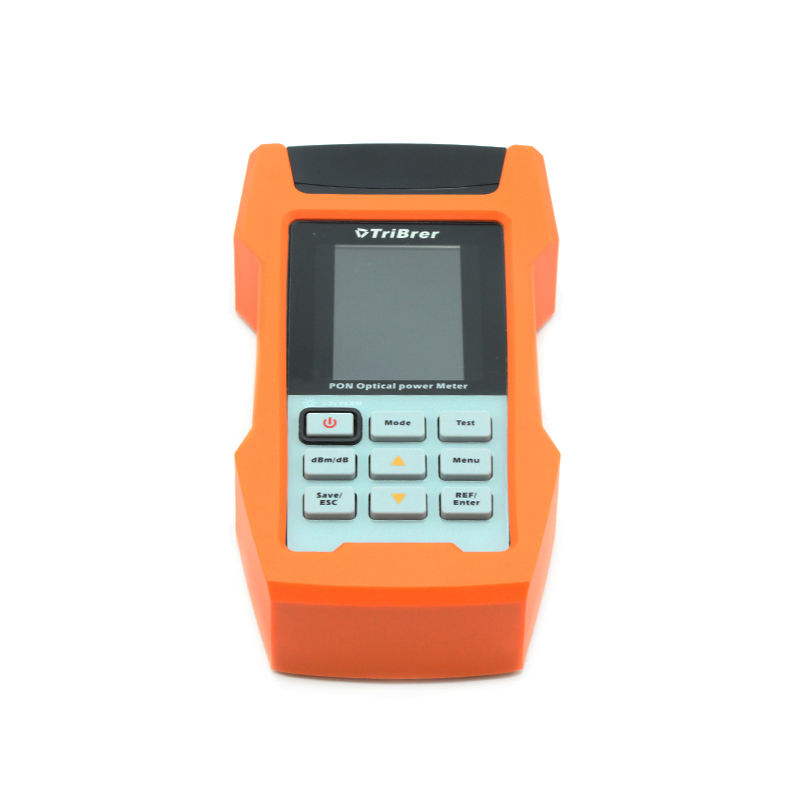
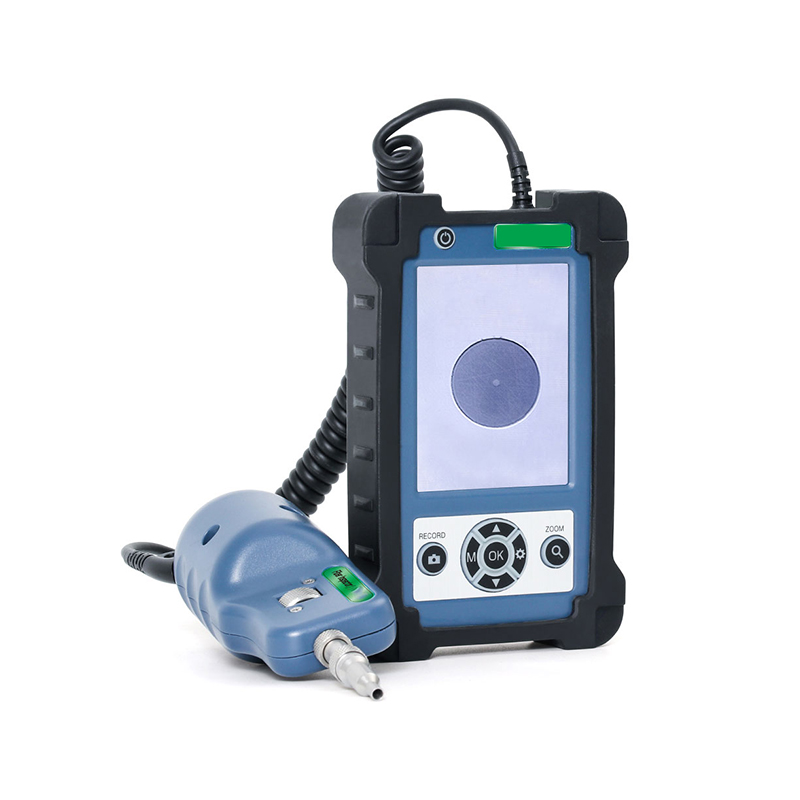
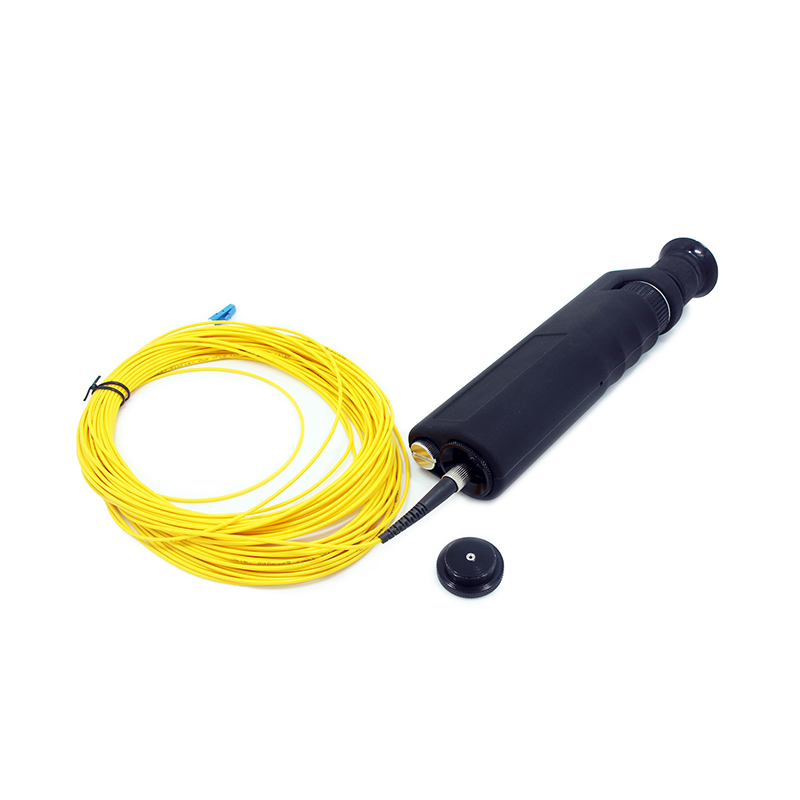
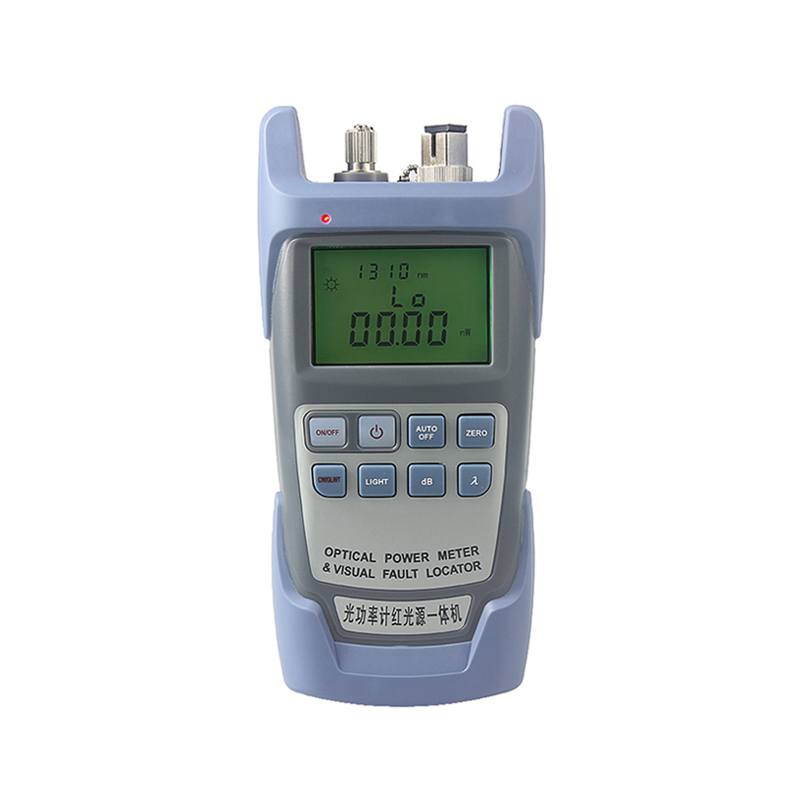
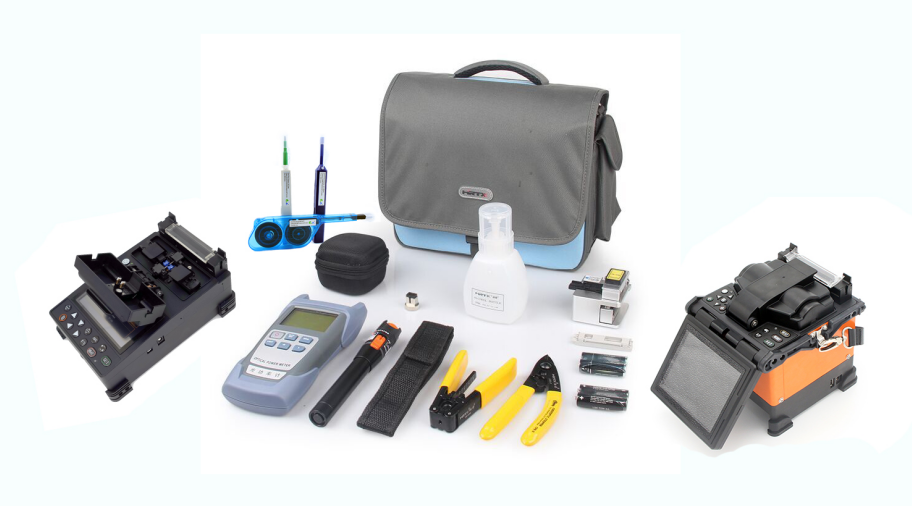
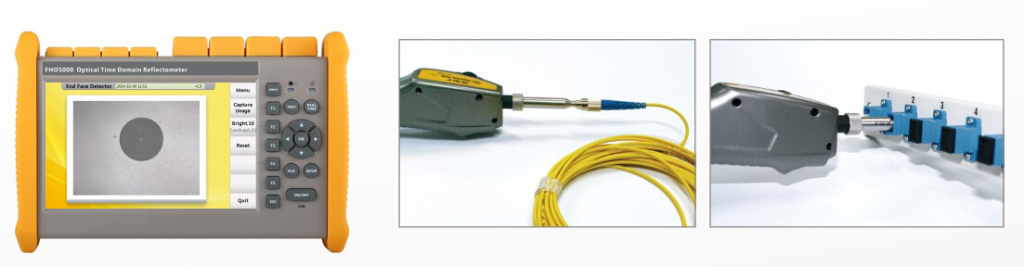
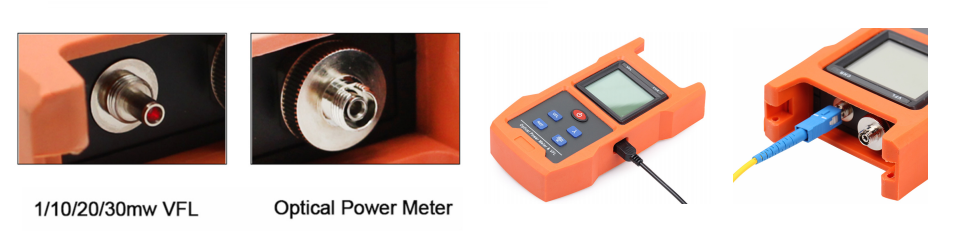
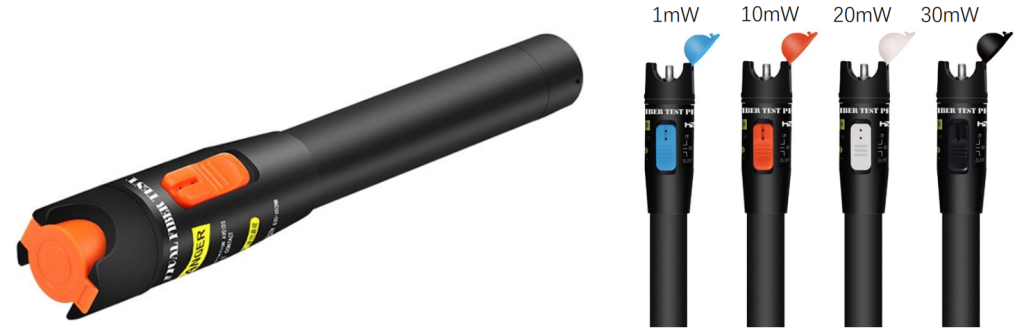
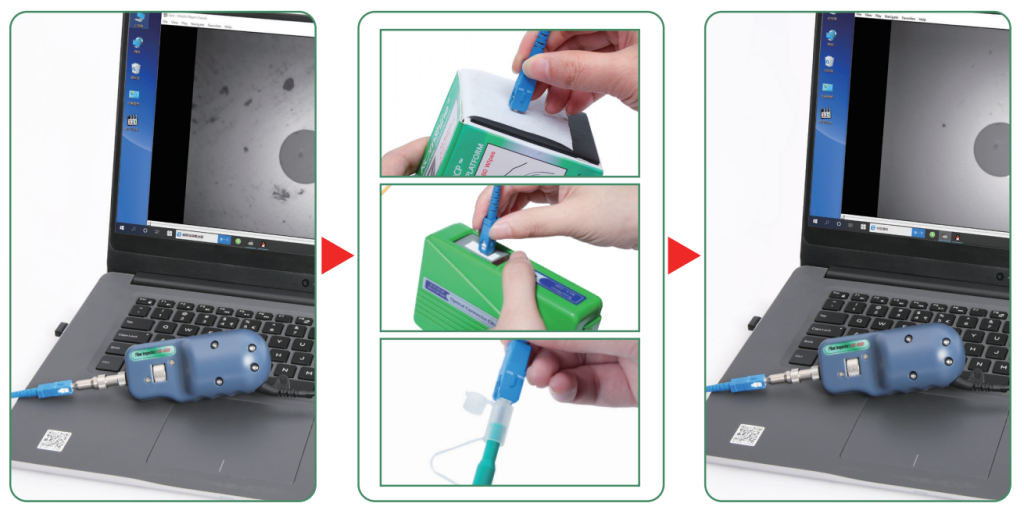
- Certification Testers: With the ability to test all parameters of a fiber optic link, certification testers provide a comprehensive analysis of a fiber’s performance.
The Importance of Regular Testing:
Regular testing of fiber optic networks is crucial for maintaining the integrity and performance of the system. It helps in:
– Identifying and locating faults quickly.
– Ensuring the network meets the required standards for performance.
– Preventing downtime and service disruptions.
– Prolonging the life of the fiber optic infrastructure.
Technological Integration and Automation:
As we move towards smarter and more automated systems, fiber testing tools are integrating with software solutions that provide real-time data analysis, remote testing capabilities, and predictive maintenance insights. This integration not only streamlines the testing process but also enhances the ability to manage and maintain large-scale fiber networks.
Future of Fiber Testing Tools:
The future of fiber testing tools is promising, with ongoing research and development aimed at making these tools more accurate, portable, and user-friendly. We can expect to see advancements in:
– AI and Machine Learning: To predict fiber failures and optimize testing protocols.
– Wireless Testing Solutions: Allowing for testing in hard-to-reach or hazardous locations.
-Higher Resolution and Sensitivity: For detecting smaller faults and more precise measurements.