Patch cords are the short “connector-to-connector” cables you use at the ends of a network. They do the quick jobs. Link a switch to a patch panel, a router to a wall outlet, an ODF to an optical device, a server to a top-of-rack switch. If the permanent cabling is the part you hide in trays and walls, patch cords are the part you actually touch.
And when you’re troubleshooting, patch cords are the first thing you swap. Not because they are always the problem, but because it’s the fastest and cheapest way to prove whether the issue is “cable side” or “device side.”

What patch cords actually do
In structured cabling, you normally have a permanent link (the long run through the building) and a patching area (where you connect equipment). Patch cords sit in the patching area. They let you change connections without touching the permanent link. That’s why patch cords are everywhere in network rooms, even small ones.
Main types of patch cords (the way people choose them)
Instead of listing a big “catalog” of types, here’s how buyers usually think about patch cords when they’re standing in front of a rack.
1) Do I need copper or fiber?
This is the first split.
- Copper patch cords are the familiar RJ45 ones. If you’re connecting typical office devices, PoE phones, access points, and most standard switch ports, copper is what you see.
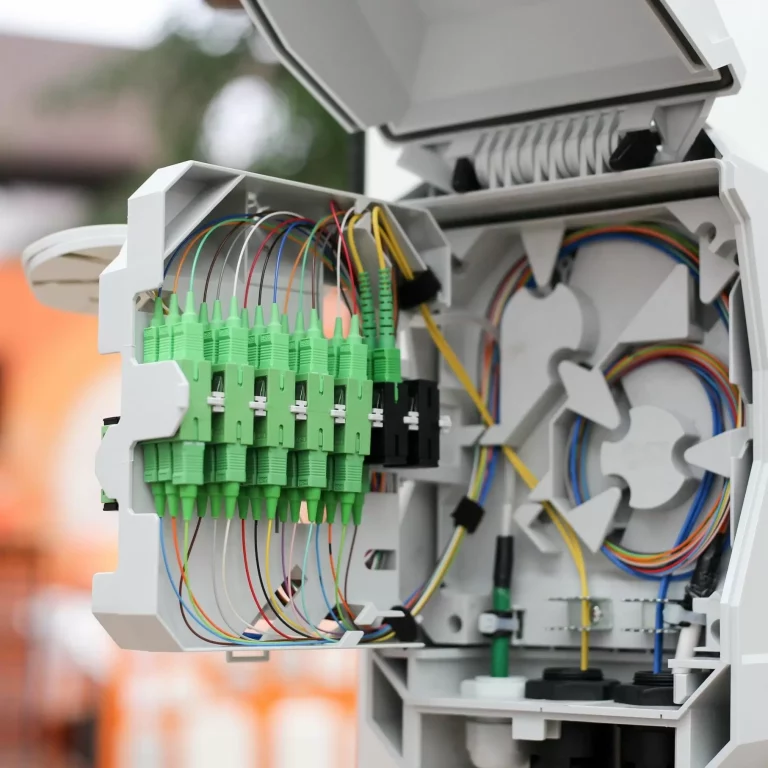
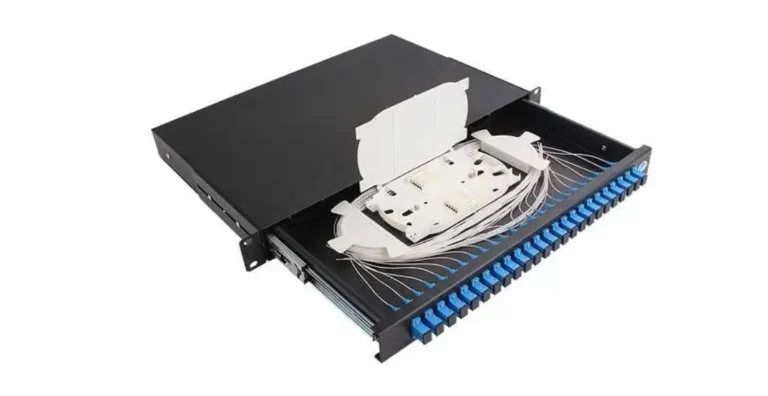
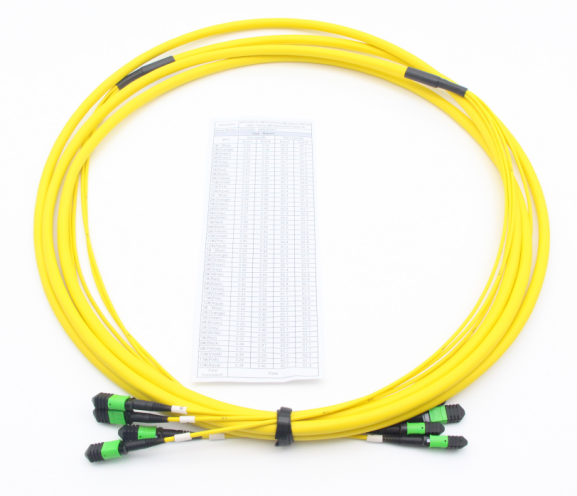
- Fiber patch cords are used when you’re dealing with optical ports, longer distances, or higher bandwidth links in a backbone or data center environment. Fiber patch cords are also common in FTTH/FTTR distribution rooms and ODF areas where you’re jumping between panels and equipment.
That’s the big decision. After that, details start.

2) If it’s copper, which “level” do I need?
Most of the time people are picking between a few practical options.
- Cat5e is still used in basic office links and older setups.
- Cat6 is common for general upgrades and typical new builds.
- Cat6A shows up when people want more headroom, especially in busier racks or higher-speed requirements.

Then you decide whether you want unshielded or shielded. In normal clean office spaces, unshielded is fine. In noisy environments, industrial spaces, or where the spec calls for shielding and grounding rules, you go shielded.
3) If it’s fiber, what fiber type and what connectors?
With fiber patch cords, people usually pick in this order:
Fiber type
- Single-mode if the system is designed for single-mode optics (very common in telecom and many modern backbone links).
- Multimode if the system is built around multimode optics for shorter internal links.

Connector style
This is where racks differ a lot, but the “real world” rule is simple: match what your panel and your device actually use.
- LC is very common in high-density racks because it’s small.
- SC is still everywhere in many distribution frames and older installs.
- FC/ST show up in specific environments, older infrastructure, or certain equipment.

Simplex vs duplex
If you’ve ever bought fiber patch cords, you’ve seen this question on every order form.
- Simplex is one strand.
- Duplex is a pair clipped together, which is common for many links.
4) “Special” patch cords people order a lot
These are not rare, and they’re worth mentioning because they solve everyday problems.
- Mixed-connector patch cords
Sometimes you have LC on one side and SC on the other. That’s normal. People do it when panels and equipment don’t match, or when they’re upgrading in steps.
- Short “cabinet tidy” patch cords
In racks, short patch cords are used to keep runs neat and avoid loops. Too short is bad (strain on ports), but the right short length makes a huge difference.
FAQs
Can I use any length patch cord as long as it reaches?
It will work, but messy loops increase tangles and accidental bends. The right length makes maintenance easier.
What causes patch cord problems most often?
Bad handling: tight bends, pulling on the cable, crushed sections, or dirty fiber end faces.
Can I mix connector types on one fiber patch cord?
Yes. LC-to-SC cords are common when panels and equipment don’t match.
Do patch cords need to be replaced regularly?
Not on a fixed install, but if they’re moved a lot, replacement is normal. They wear out faster than permanent links.