Cable insulation is perhaps one of the least considered and most critical components of today’s communication system infrastructure. It has a direct effect on signal integrity and safety in data centers, corporate networks, and fiber distribution networks.
This particular article is concerned with cable insulation from a more practical or engineering point of view, particularly as it relates to fiber cabling or structured cabling.

What Cable Insulation Really Does in Network Cabling
In essence, cable insulation refers to the non-conductive material that envelops individual conductors and fibers in a cable. Cable insulation has a functional purpose and is neither cosmetic nor secondary in nature. In network and fiber systems, the functions of the cable insulation include the following:
- It electrically insulates conductors against unwanted contact or short circuiting
- It safeguards signal routes against electromagnetic interference
- This ensures that the system remains stable despite temperature changes.
- Reduces mechanical stresses during installation and maintenance operations.
If the cables are not insulated, it would not matter whether the conductors or the fibers are of the highest quality, as the performance would not be consistent. In a network environment where the cables are dense, poorly insulated cables could lead to degradation of the signal or cause reliability issues in the long term.
Cable Insulation in Fiber-Optic Systems
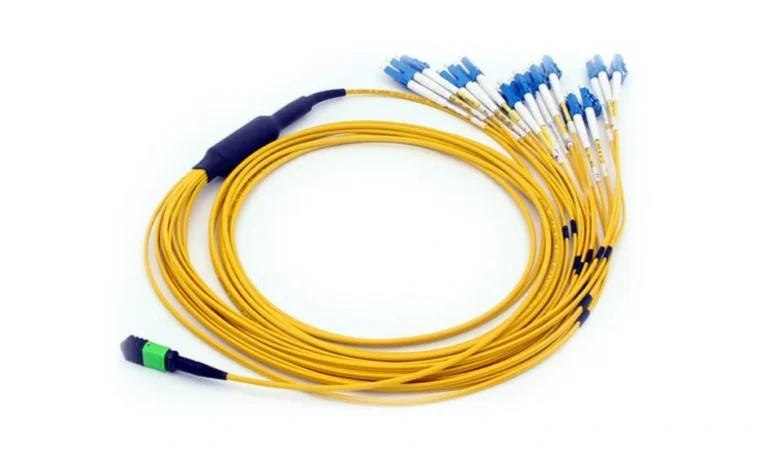
Though fiber optic cables do not conduct electric current, they still have insulation, unlike copper wires. Fiber optic cables have several layers of protective materials that prevent damage and ensure smooth signal transmission.
In fiber optic communications, the insulation of the cable assists in the following:
- Protecting the fibers against bending and micro-cracks
- Moisture prevention methods
- Keeping a minimum bending radius
- Protecting fibers during routing and termination
Such functions play a critical role, particularly when it comes to indoor optical distribution frames where cables are terminated, spliced, or stored.
Common Insulation Materials for Cables
The choice of insulation materials in a cable depends on the environment and requirements, as well as standards. The different insulation materials possess distinct advantages based on their applications. The following introduces two common insulating materials:
- PVC: It is commonly used for indoor purposes because it is flexible and economical. But it can only withstand temperatures up to a certain extent.
- PE: Typically used in outdoor or underground applications. This type of cable has lower dielectric losses and moisture-resistant characteristics.
The selection of insulation in the cable significantly influences the performance of the cable in the rack, cabinet, and distribution panel.
Why Cable Insulation Matters In Optical Distribution Frames
Optical Distribution Frames (ODF) are environments where cable insulation performance becomes very visible.
Fibers are spliced, terminated, routed, and stored in tight spaces. Any weakness in cable insulation can lead to bending stress, signal loss, or damage during maintenance. A well-designed ODF system relies on:
- Insulated fiber buffers that maintain shape under bending
- Protective routing paths that preserve insulation integrity
- Proper strain relief to prevent insulation fatigue
This is especially important in high-density panels handling large fiber counts.
OMC’s Products in This Area
19′ ODF Unit Panel – 144 Cores

The 19′ ODF Unit Panel – 144 Cores is a typical example where cable insulation performance directly impacts system reliability. This panel is designed for indoor optical distribution and integrates splicing, termination, and fiber management into a modular structure.
Key features related to cable insulation and fiber protection include:
- Front-access modular design that reduces handling stress on insulated fibers
- Integrated splice trays supporting 12-core fusion splicing per module
- Controlled fiber bending radius (≥40 mm) to protect cable insulation layers
- Metal enclosure with static electricity plastic spraying for additional protection
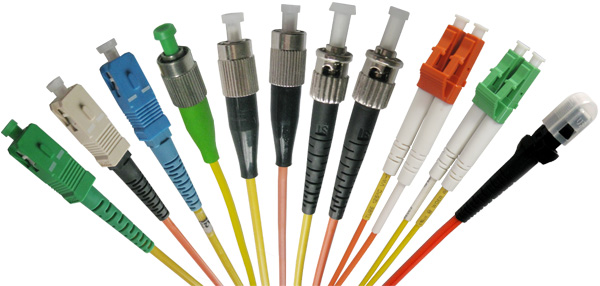
The panel supports multiple adapter types and both ribbon and bunch fiber cables, making it suitable for high-density environments where insulation integrity must be preserved during frequent operations.
Environmental And Safety Considerations
Modern network installations must also meet safety and environmental standards. Cable insulation contributes to:
- Flame resistance and fire containment
- Low smoke and reduced toxic emissions
- Stable performance across temperature ranges
These factors are particularly relevant in indoor racks and cabinets where airflow and heat management are critical.
Final Thoughts
Understanding cable insulation helps engineers, installers, and buyers make better decisions when selecting cables and distribution hardware. As fiber networks continue to expand, attention to insulation design will remain a key factor in building reliable, scalable infrastructure—something manufacturers like OMC address through structured, protection-focused product design.