С быстрым развитием инфраструктуры центров обработки данных, облачных вычислений и технологий высокоскоростных оптических сетей тестирование оптоволокна приобрело значение для обеспечения стабильности сети. Для оптических модулей, работающих в диапазонах скоростей 40G, 100G и выше, необходимо найти решение для проверки производительности оптического приемопередатчика и качества оптоволоконной линии связи.
Среди различных решений обратной связи модуль обратной связи 24F MTP выделяется для приложений с высокой плотностью и многоканальным тестированием. По сравнению со стандартными оптоволоконными шлейфами он обеспечивает более высокую эффективность тестирования и лучшую совместимость с параллельными оптическими системами.
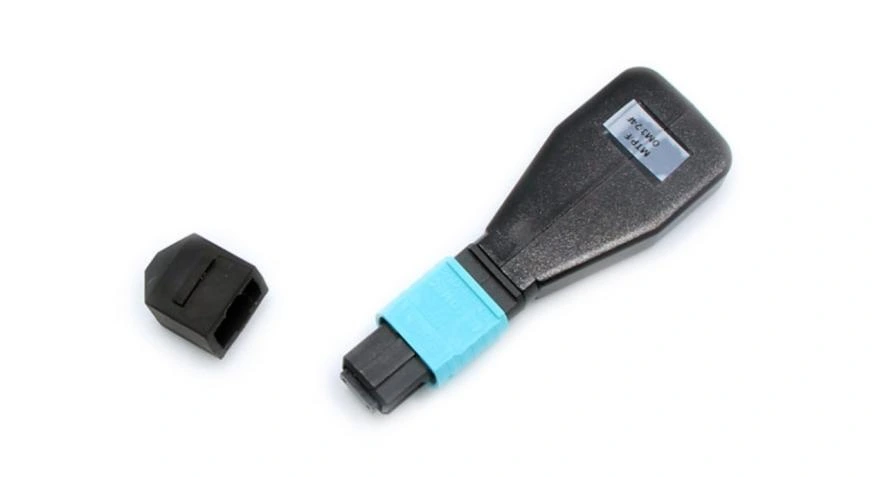
Что такое 24F Модуль обратной связи MTP?
The Модуль обратной связи 24F MTP представляет собой волоконно-оптическое испытательное оборудование, которое обеспечивает обратную связь между оптическими каналами передатчика и приемника с помощью 24-волоконного разъема MTP/MPO.
В отличие от обычных оптоволоконных шлейфов, он позволяет одновременно тестировать несколько каналов, что делает его пригодным для высокоскоростного тестирования, включая тестирование приемопередатчиков 40G QSFP+ и 100G CXP/CFP.
Типичные особенности включают в себя:
- Поддержка 24-волоконных интерфейсов MTP/MPO;
- Совместимость с одномодовым и многомодовым оптоволокном;
- Варианты разъема MTP «папа» и «мама»;
- Несколько конфигураций полярности;
- Заводское подключение и оптические испытания.
Благодаря высокой плотности и компактному дизайну он широко используется в современных средах оптического тестирования.
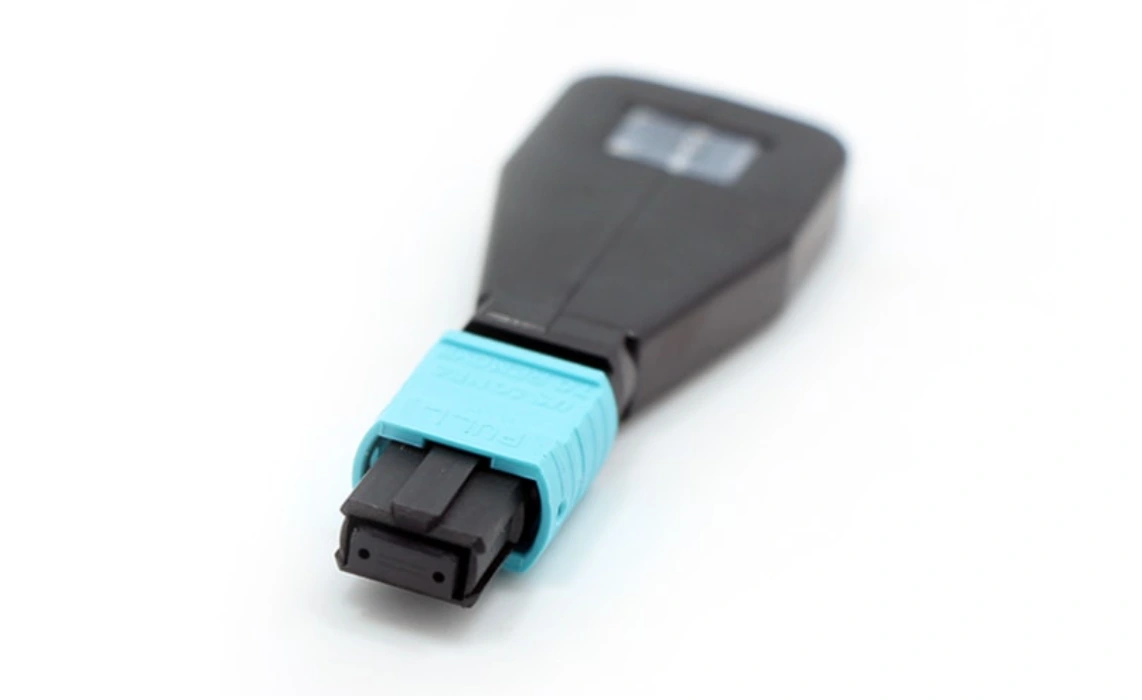
Что такое стандартная оптоволоконная петля?
Стандартный оптоволоконный шлейф — это простой испытательный прибор, который создает замкнутый путь для сигнала путем соединения сторон передатчика и приемника оптического модуля друг с другом.
В отличие от модулей кольцевой проверки 24F MTP, стандартные оптоволоконные петли обычно представляют собой одноволоконные или дуплексные оптоволоконные петли и используют такие разъемы, как LC или SC. Обычно они используются для тестирования каналов.
Типичные особенности включают в себя:
- Поддержка конфигураций с одним или дуплексным волокном;
- Совместимость с обычными разъемами LC, SC и другими;
- Доступен как с одномодовыми, так и с многомодовыми оптоволоконными решениями;
- Простая установка и экономичная конструкция.
Стандартные оптоволоконные шлейфы обычно используются при обслуживании сетей, лабораторных испытаниях и оптических приложениях с низкой плотностью передачи данных.
24F Модуль обратной связи MTP против стандартного оптоволоконного шлейфа: ключевые различия
Хотя оба решения предназначены для оптического тестирования, они различаются по пропускной способности оптоволокна, эффективности тестирования и сценариям применения.
| Сравнение | 24F Модуль обратной связи MTP | Стандартный оптоволоконный шлейф |
| Количество волокон | 24 волокна | Обычно 1 или 2 волокна |
| Тип разъема | МТП/МПО | ЛК, СК и т. д. |
| Возможность тестирования | Многоканальное тестирование | Одноканальное тестирование |
| Основные приложения | Сети 40G/100G | Базовое оптическое тестирование |
| Подходящие устройства | КСФП+, CXP, CFP | Стандартные оптические модули |
1. Тестирование эффективности
Основным преимуществом модуля обратной связи 24F MTP является его способность одновременно поддерживать несколько оптических каналов.
Стандартные оптоволоконные шлейфы обычно тестируют один канал на соединение, что может увеличить время тестирования в крупномасштабных средах. Для сравнения, решение MTP с 24 волокнами позволяет инженерам проверять несколько каналов через один интерфейс.
Это особенно ценно для центров обработки данных и производителей оптических модулей, которым необходимо выполнять большие объемы тестирования.
2. Различия в приложениях
Стандартные оптоволоконные петли обычно используются для:
- Базовая проверка оптического порта;
- Устранение неполадок сети;
- Лабораторные испытания;
- Малоканальные оптоволоконные системы.
Модуль обратной связи MTP 24F лучше подходит для:
- тестирование оптоволокна в дата-центре;
- проверка 40G QSFP+;
- Тестирование приемопередатчика 100G CXP/CFP;
- Тестирование сетевого оборудования на работоспособность;
- Телекоммуникационные приложения и приложения для передачи данных.
Высокоскоростные сети требуют решений для тестирования, которые обеспечивают как точность, так и эффективность, что делает многоволоконные решения MTP лучшим выбором для сложных оптических систем.
Как выбрать правильное решение для оптоволоконной петли?
Выбор правильного шлейфа зависит от нескольких факторов:
1. Скорость сети
Различные скорости сети требуют разных решений для тестирования.
- Сети 1G/10G: стандартные оптоволоконные петли;
- Сети 40G QSFP+: решения для обратной связи MTP/MPO;
- Параллельные оптические системы 100G: модуль петли обратной связи 24F MTP
2. Тип волокна
Выберите правильный тип волокна в соответствии с требованиями применения:
- Одномодовое волокно (SM 9/125 мкм): Подходит для больших расстояний передачи.
- Многомодовое волокно (ММ 50/125 мкм или 62,5/125 мкм): Обычно используется в соединениях центров обработки данных на коротких расстояниях.
3. Совместимость разъемов
Перед выбором подтвердите:
- Тип разъема MTP (папа или гнездо);
- Конфигурация полярности;
- Совместимость с оптическими трансиверами.
Заключение
Стандартные оптоволоконные шлейфы и модульные решения кольцевой проверки 24F MTP удовлетворяют различным требованиям к тестированию. Стандартные шлейфы подходят для базовой оптической проверки, а 24-волоконные решения MTP предназначены для высокоскоростных приложений с высокой плотностью, таких как оптические сети 40G и 100G.
Предлагая возможность многоканального тестирования, надежную работу и совместимость с передовыми оптическими системами, решения MTP по шлейфу помогают повысить эффективность тестирования и точность проверки сети.
ОМС предоставляет решения MTP по оптоволокну для центров обработки данных, телекоммуникационных сетей и приложений для оптического тестирования. Если у вас есть какие-либо вопросы о технических характеристиках продукта, совместимости или требованиях к применению, пожалуйста, свяжитесь с нами по телефону. свяжитесь с нами за профессиональную поддержку.