Avec le développement rapide de l'infrastructure des centres de données, du cloud computing et de la technologie des réseaux optiques à haut débit, les tests de fibre optique ont gagné en importance afin de garantir la stabilité du réseau. Pour les modules optiques fonctionnant à des plages de vitesse de 40G, 100G et supérieures, une solution doit être trouvée afin de tester les performances de l'émetteur-récepteur optique et la qualité de la liaison fibre.
Parmi les différentes solutions de bouclage, le module de bouclage 24F MTP se démarque pour les applications de test haute densité et multicanaux. Par rapport aux bouclages de fibre standard, il offre une efficacité de test plus élevée et une meilleure compatibilité avec les systèmes optiques parallèles.
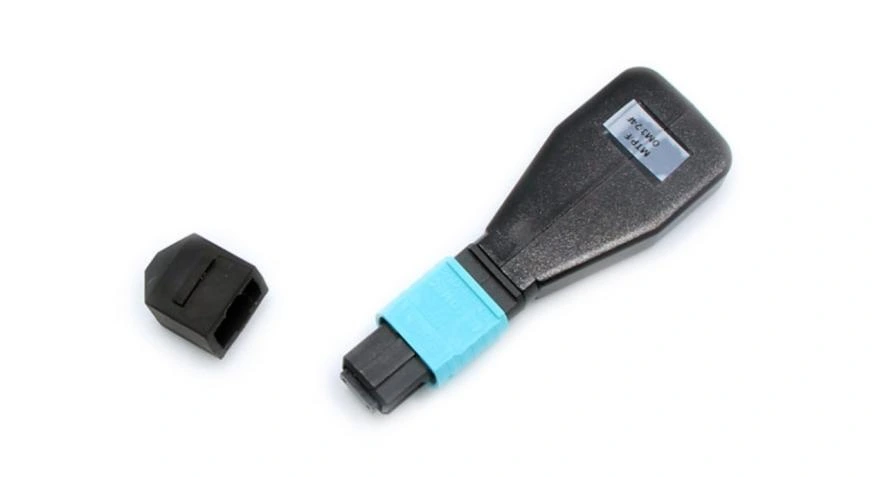
Qu'est-ce qu'un 24F MTP bouclage modulaire?
Le Module de bouclage 24F MTP est un équipement de test de fibre optique qui permet une liaison de retour entre les canaux optiques de l'émetteur et du récepteur à l'aide du connecteur MTP/MPO à 24 fibres.
Contrairement aux bouclages à fibre optique classiques, il permet de tester plusieurs canaux simultanément, ce qui le rend adapté aux tests à grande vitesse, notamment les tests d'émetteur-récepteur 40G QSFP+ et 100G CXP/CFP.
Les fonctionnalités typiques incluent :
- Prise en charge des interfaces MTP/MPO 24 fibres ;
- Compatibilité avec la fibre monomode et multimode ;
- Options de connecteur MTP mâle et femelle ;
- Configurations de polarité multiples ;
- Terminaison en usine et tests optiques.
Avec des performances haute densité et une conception compacte, il est largement utilisé dans les environnements de tests optiques avancés.
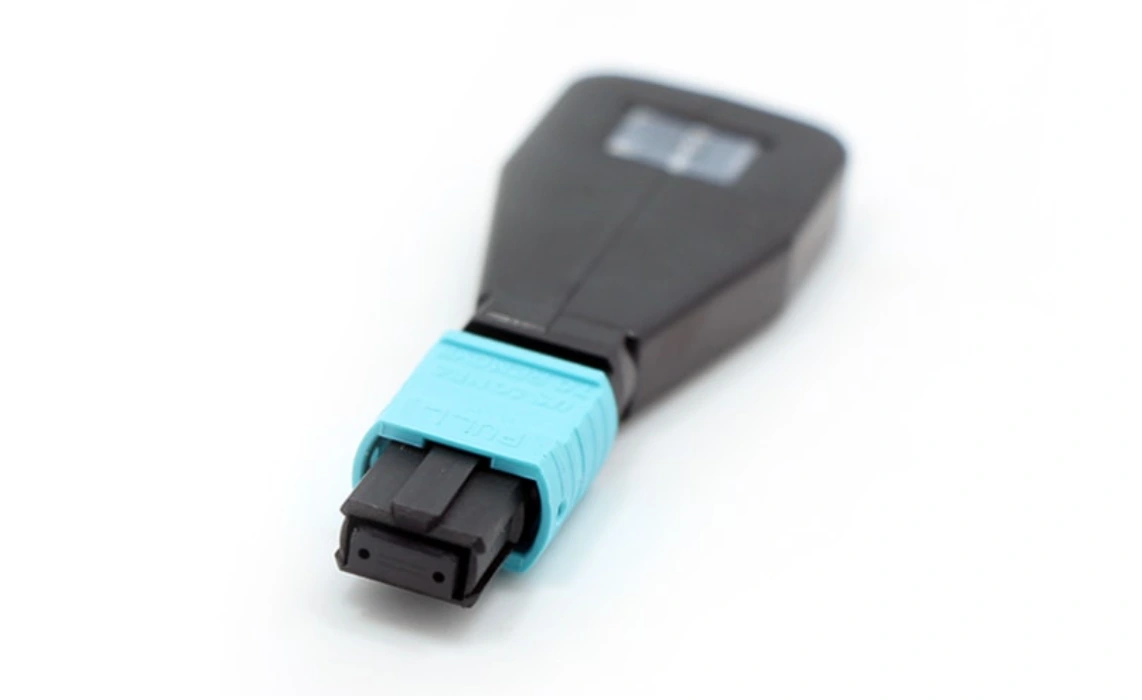
Qu'est-ce qu'un bouclage fibre standard ?
Le bouclage de fibre standard est un instrument de test simple qui crée un chemin fermé pour le signal en connectant les côtés émetteur et récepteur du module optique l'un à l'autre.
Contrairement aux modules de bouclage MTP 24F, les bouclages fibre standard sont généralement des bouclages fibre monofibre ou duplex et utilisent des connecteurs tels que LC ou SC. Ils sont généralement utilisés à des fins de test de canal.
Les fonctionnalités typiques incluent :
- Prise en charge des configurations de fibre simple ou duplex ;
- Compatibilité avec les connecteurs LC, SC et autres courants ;
- Disponible avec des solutions de fibre monomode et multimode ;
- Installation simple et conception rentable.
Les bouclages de fibre standard sont couramment utilisés dans la maintenance des réseaux, les tests en laboratoire et les applications optiques à faible densité.
24F MTP bouclage modulaire vs bouclage fibre standard : principales différences
Bien que les deux solutions soient conçues pour les tests optiques, elles diffèrent par la capacité de la fibre, l'efficacité des tests et les scénarios d'application.
| Comparaison | 24F MTP bouclage modulaire | Bouclage fibre standard |
| Nombre de fibres | 24 fibres | Généralement 1 ou 2 fibres |
| Type de connecteur | MTP/MPO | LC, SC, etc. |
| Capacité de test | Tests multicanaux | Tests monocanal |
| Principales applications | Réseaux 40G/100G | Tests optiques de base |
| Appareils adaptés | QSFP+, CXP, CFP | Modules optiques standards |
1. Efficacité des tests
Le principal avantage d'un module de bouclage MTP 24F est sa capacité à prendre en charge plusieurs canaux optiques en même temps.
Les bouclages fibre optique standard testent généralement un canal par connexion, ce qui peut augmenter la durée des tests dans les environnements à grande échelle. En comparaison, une solution MTP à 24 fibres permet aux ingénieurs de vérifier plusieurs canaux via une seule interface.
Ceci est particulièrement utile pour les centres de données et les fabricants de modules optiques qui doivent effectuer de grands volumes de tests.
2. Différences d'application
Les bouclages fibre standard sont couramment utilisés pour :
- Vérification de base du port optique ;
- Dépannage réseau ;
- Tests en laboratoire ;
- Systèmes de fibre à canal bas.
Un module de bouclage MTP 24F est mieux adapté pour :
- Tests de fibre de centre de données ;
- Validation QSFP+ 40G ;
- Test d'émetteur-récepteur 100G CXP/CFP ;
- Tests de rodage des équipements réseau ;
- Applications télécoms et datacom.
Les réseaux à haut débit nécessitent des solutions de test offrant à la fois précision et efficacité, ce qui fait des solutions MTP multifibres un meilleur choix pour les systèmes optiques complexes.
Comment choisir la bonne solution de bouclage fibre ?
La sélection du bon bouclage dépend de plusieurs facteurs :
1. Vitesse du réseau
Différentes vitesses de réseau nécessitent différentes solutions de test.
- Réseaux 1G/10G : bouclages fibre standard ;
- Réseaux 40G QSFP+ : solutions de bouclage MTP/MPO ;
- Systèmes optiques parallèles 100G : bouclage MTP 24F modulaire
2. Type de fibre
Choisissez le type de fibre approprié en fonction des exigences de l'application :
- Fibre monomode (SM 9/125μm) : Convient aux distances de transmission plus longues.
- Fibre multimode (MM 50/125μm ou 62,5/125μm) : Couramment utilisé dans les connexions de centres de données à courte distance.
3. Compatibilité des connecteurs
Avant la sélection, confirmez :
- Type de connecteur MTP (mâle ou femelle) ;
- Configuration de polarité ;
- Compatibilité avec les émetteurs-récepteurs optiques.
Conclusion
Les bouclages fibre standard et les solutions modulaires de bouclage MTP 24F répondent à différentes exigences de test. Les bouclages standard conviennent à la vérification optique de base, tandis que les solutions MTP à 24 fibres sont conçues pour les applications à haut débit et haute densité telles que les réseaux optiques 40G et 100G.
En offrant une capacité de test multicanal, des performances fiables et une compatibilité avec les systèmes optiques avancés, les solutions de bouclage MTP contribuent à améliorer l'efficacité des tests et la précision de la validation du réseau.
MOC fournit des solutions de bouclage fibre MTP pour les centres de données, les réseaux de télécommunications et les applications de tests optiques. Si vous avez des questions sur les spécifications du produit, la compatibilité ou les exigences d'application, n'hésitez pas à contactez-nous pour un accompagnement professionnel.